The body as performance, part 6 of 6 · 6 min
Reclaiming the body from the market – a radical refuge without KPIs
By Steven Wensley, MA in history, and poet.
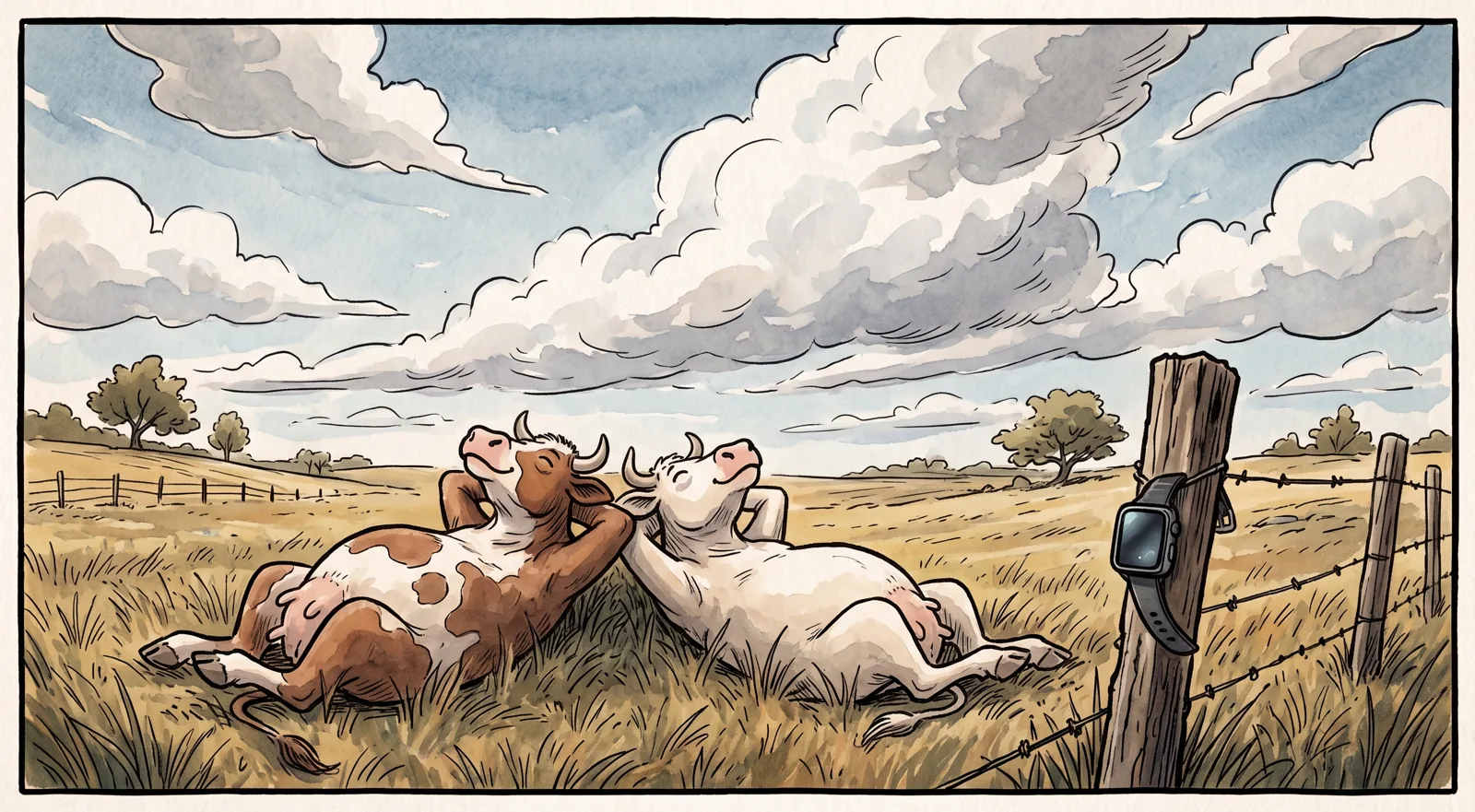
We live in an age when the body is rarely allowed simply to be a body. In late-capitalist society the physical form has largely been reduced either to a machine to be optimised for production or to a surface that must consume. We monitor our sleep rhythms with smartwatches, we count our steps, we biohack our digestion, and we regard our energy as a resource to be maximised, solely so that we can perform better on the market. We have, consciously or not, accepted the premise that each of us is our own personal brand. The body has become our primary means of production, and if it breaks down, it is our own individual responsibility to get it into the garage as quickly as possible so that it can start delivering returns again.
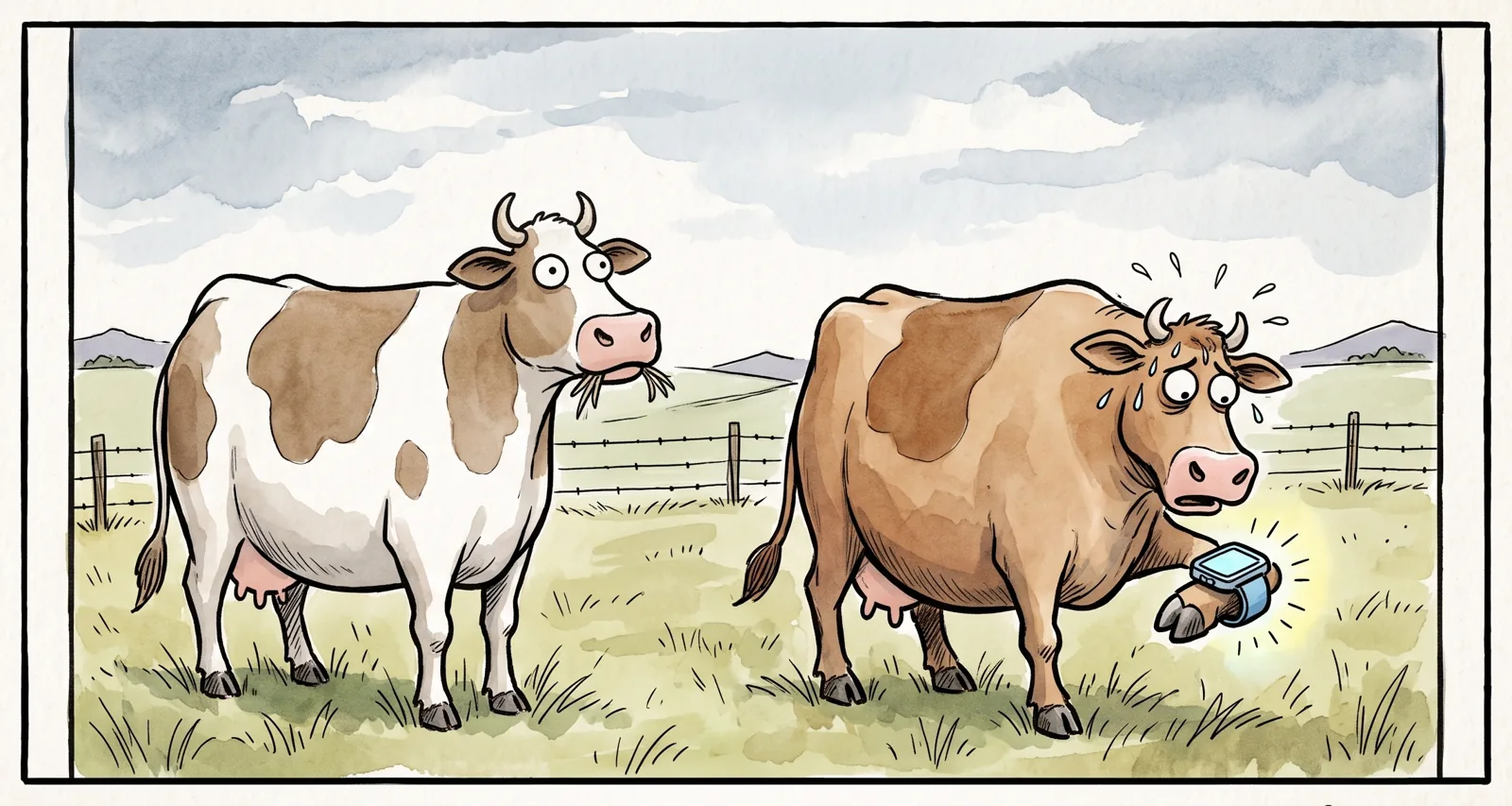
This is precisely the condition the British cultural theorist Mark Fisher diagnosed so incisively. He showed how market society has very successfully privatised stress and mental illness. When we lie awake with palpitations, when our shoulders sit permanently up around our ears, and when our breath never gets further down than the top of the ribcage, we are told that we just need a little more mindfulness, or that we suffer from a personal chemical imbalance. But Fisher insisted that physical exhaustion and bodily alienation are to a large degree structural symptoms. It is the market’s eternal competition, its built-in insecurity and its insistent demand that we prove our own worth that settle as tangible, painful tension in our connective tissue. We respond to an unliveable and inhuman system with what Fisher called depressive hedonia – we try desperately to numb the bodily unrest through endless scrolling, overconsumption and quick dopamine fixes that in reality only pull us further still from our own physical foundation.
Breaking with this all-pervading business ontology requires a physical place. A space where market forces are refused at the door, and where the body is no longer required to be an investment vehicle. At Egholmvej 23 on Agersø we are trying to create exactly this radical refuge. With six hectares around the buildings, we have made a setting that was not brought into the world to optimise anyone. When you step in here, you leave the price tag and the consumer identity at the ferry landing. No financial transaction defines your right of entry, and so the underlying demand that you deliver something in particular, or consume a specific, polished experience, in order to have the right to exist in the space disappears too.
When at a stroke we remove the KPIs, the pressure of expectation and the economic exchange from the equation, something fundamental happens in the nervous system. It usually begins with a strange, almost uncomfortable silence. The body, used to being on constant alert so that it can unconsciously assess its own market value in every encounter with everything and everyone, suddenly fumbles for its purpose. But slowly the muscles begin to let go. When there is no one to impress, no career network to tend and no boss to please, the breath is finally allowed to drop all the way into the belly. It is a deep, somatic reset. For reclaiming the body from the market is not about going on an expensive, exclusive spa break to be topped up for yet another gruelling working week. It is about fundamentally rejecting the premise that we must be topped up in order to be of any use.
At Vendhjem we ground ourselves through the simple, the dirty and the undisguised. It happens quite physically, when we get soil under our nails together. It happens when we gather to cook, with the carrots chopped unhurriedly, and afterwards share the meal without expecting to be waited on. It happens through a few hours of physical work on the place – not as payment for a stay, but as a bodily anchoring in the real, uncommercialised world. It is the sound of tools in the barn, the smell of wet grass, the wind off Storebælt and the heat of a sauna that make us feel the limits of our own existence. It is the direct, unfiltered encounter with nature and the elements that reminds us we are soft, biological creatures. Not machines with an infinite battery.
Perhaps the most decisive thing in this process is the total absence of dogma. Vendhjem is not a redemptive institution trying to foist a particular, puritan way of life on you. There are no enlightened gurus preaching the true path, and no tight rotas dictating your personal journey. A person can find complete peace to withdraw to their own room to write, think or simply stare into space at their own pace. You can choose to cook your own food in quiet, or you can seek out company and the noisy, creative exuberance around the long table. The place offers only the setting; the open possibility of exploring what it means at all to inhabit your own body when no one is looking at it with an appraising, capitalist eye.
Once this bodily disarmament has taken place, something inevitably happens to the human relationships around you. When you no longer have a hidden motive of selling a successful version of yourself, the need to keep up a strenuous facade disappears. You no longer meet the others as covert competitors, potential business partners or service providers. You meet them as people who – like you – are in the middle of the difficult process of unlearning the brutal tension society has coded into us. In this open space between people, entirely free of targets and transactions, a vulnerable, bodily anchoring takes root.
Refusing to let your body be instrumentalised is today one of the deepest, most intimate forms of resistance. It takes enormous courage to pull the plug on the eternal optimisation machine and allow yourself simply to be present as biological mass. But when we do, we discover that freedom is not a product we must earn enough money to buy. It begins in the breath, in the hands and in the shared pulse that can be felt when we refuse to be the market’s machines.