The market and the unmeasurable, part 2 of 4 · 5 min
From transaction to relationship – when sweat and presence are the only currency
By Steven Wensley, MA in history, and poet.
We live in an age when freedom is almost always something we buy. We pay for access to the calm of a yoga retreat, we buy ourselves entertainment on a Friday night, and we pay for the privilege of being waited on so that we can get out of the washing-up. This constant stream of transactions has become so embedded in our behaviour that we rarely notice how it shapes the way we look at one another. When there is always an invisible contract and a price tag between us, we are slowly reduced to being either the one who provides a service or the one who consumes it. At Egholmvej 23 on scenic Agersø we are experimenting with tearing that price tag up. Here money is entirely useless as a ticket in, for the only valid currency for getting in is time, soul and hands.
The gap between the capitalist starting point and what goes on across the 60,000 square metres and in the seven buildings from 1920 begins with a very concrete, radical move: the place must be kept free of the bank. As long as a loan dictates the pace, the market’s relentless demand for a return will always be breathing down our necks, forcing us to optimise, streamline and sell off our shared time. Take the economic knife away from our throats, and a space opens up in which we have no need to turn a profit on those who come through the door. You simply cannot buy yourself a stake, or merely be a passive consumer. The only way in is to create it with us.
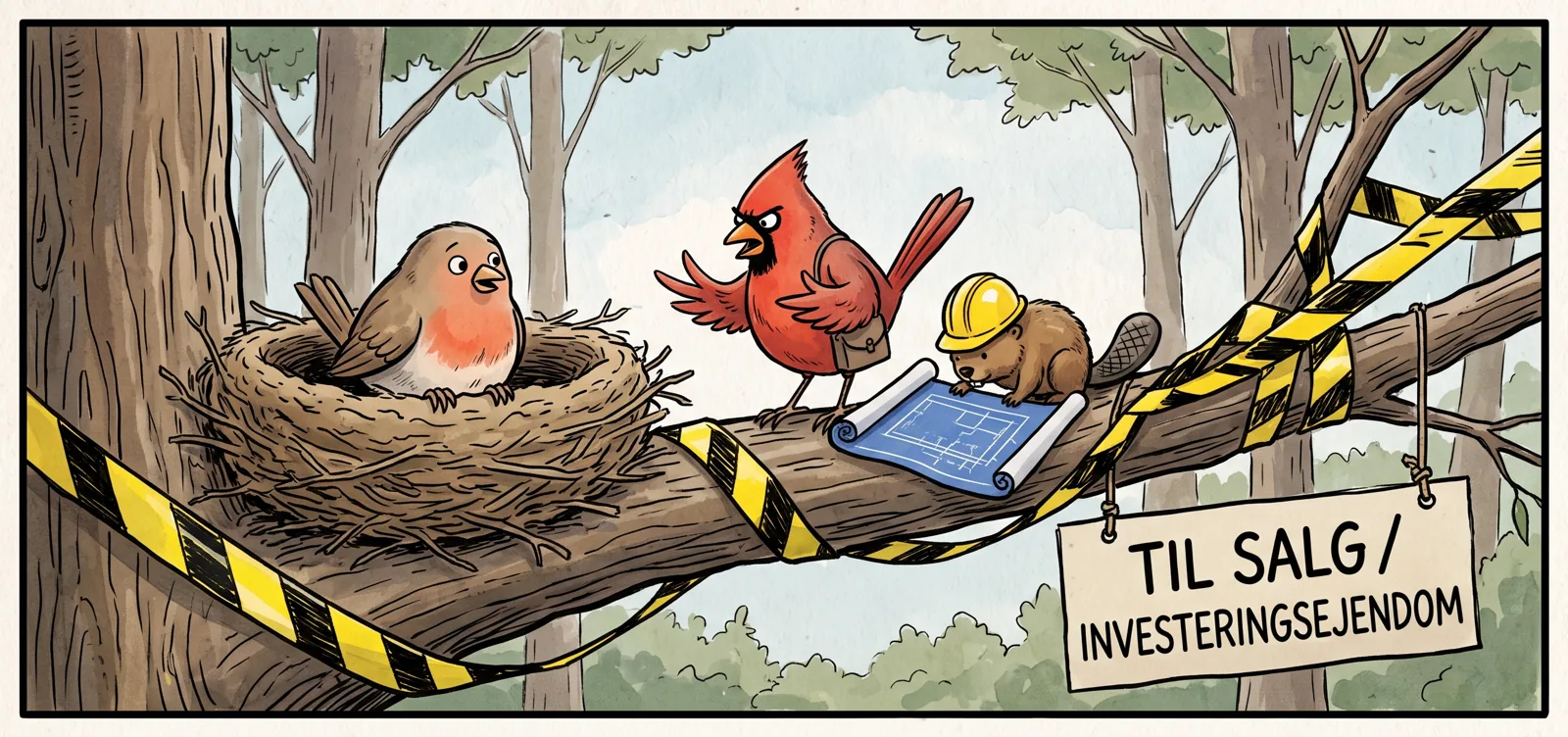
It instantly dissolves the thick glass wall that normally divides people into hosts and guests. Whether you are here as a guest for a single stay, working alongside us as a volunteer over a longer period, taking on the role of co-creator to hold your own retreat, or have moved in as a permanent resident, you step straight into a community that asks something of you. Picture the dynamic around a big long table on a dark evening on the island. In the usual scenario some have swiped a card to sit there, while others are paid to fetch the food from the kitchen and carry out the plates. It creates a calculated, cool distance. At Vendhjem the table may well have been knocked together by the very people resting their arms on it. The vegetables have been chopped together while the talk went back and forth across the room, and absolutely no one sits down expecting simply to be waited on.
When we remove money as the middleman, we are left with raw contact with one another. The anthropologist David Graeber described exactly this in his work on historical gift economies. He documented how the earliest human communities were not a cold barter market but intricate, warm networks of social debt and deep trust. You helped your neighbour put up a roof, not to get two coins in your hand, but because you knew full well the neighbour would carry you home if you broke your leg in the forest the following week. Money chokes this kind of vital dependence, because it settles and closes the relationship in the very second the transaction is complete. On Agersø we are trying to rebuild this human dependence.
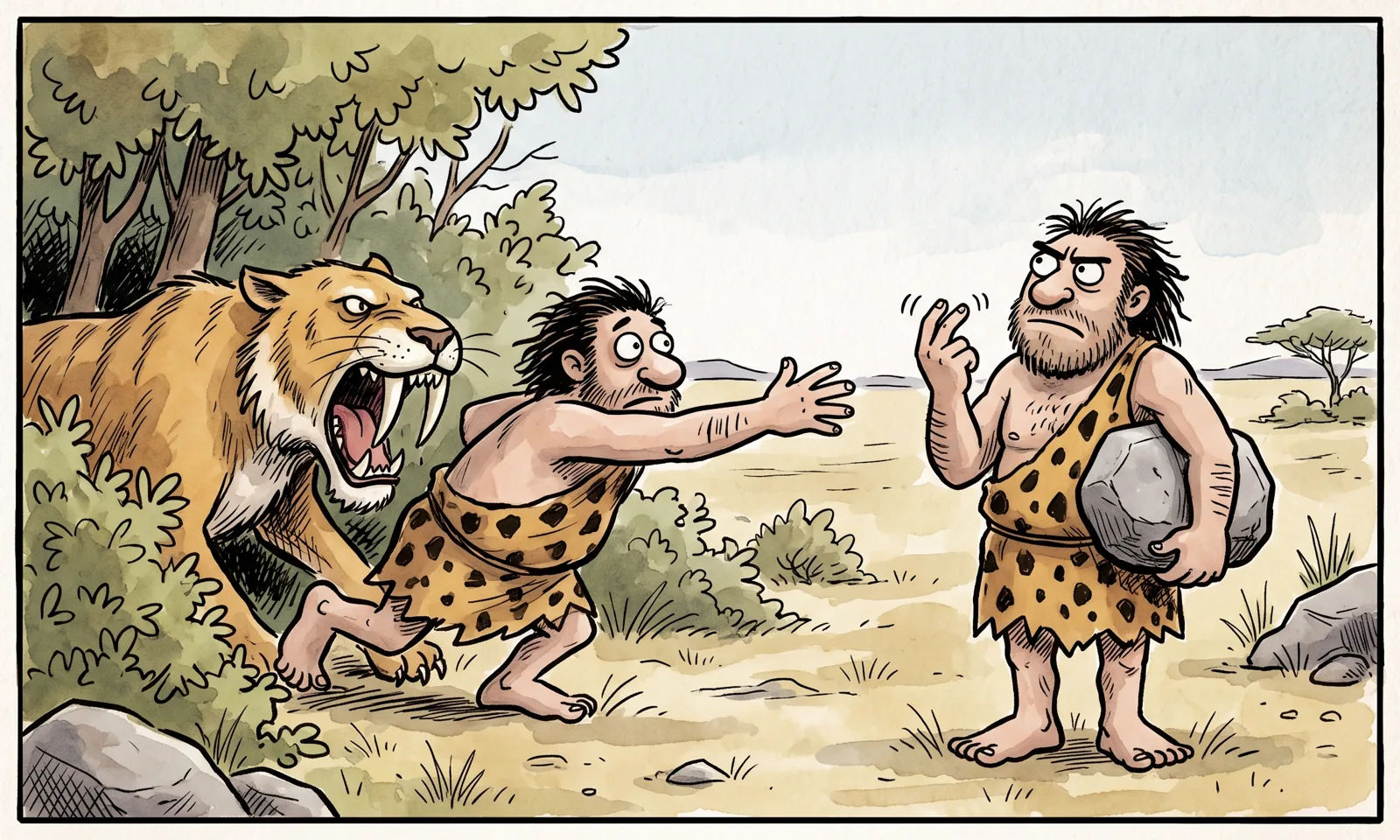
When we come together to work a few hours on the place, put a roof on an outbuilding or simply slice bread for lunch, we create bonds that run markedly deeper than the superficial “networking” the business world urges on us. The work is never a payment; it is the very foundation of presence. It is also here that the body really takes over. Instead of sitting drained and stuck in front of a screen to earn numbers in an account that can buy us temporary well-being, we use the body meaningfully in the physical world. The sweat on the brow and the shared effort become a common, wordless language.
This model is not presented as a wagging finger or a demand that everyone should live one particular way. We offer no rigid dogmas or sanctimonious answer sheets. We simply offer a refuge. A physical breathing space where the eternal market forces are, for a while, refused entry, and where you can safely explore what it means to feel yourself without constant demands for progress. When we finally let go of the urge to prove our own worth through a price tag, a CV or a title, our guard comes down. Vulnerability, creativity and deep contact are allowed to breathe.
Creating a moneyless microclimate in the middle of a thoroughly capitalised country is, naturally, full of obstacles. We have all internalised the market’s business logic so thoroughly that we often scan for the transaction quite unconsciously, even when it is guaranteed not to exist. But precisely in that confusion – in the raw moment when you realise that you cannot withdraw and buy your way out of the washing-up, and that the washing-up itself is the setting for the evening’s most important conversation – that is where the transformation happens. It is here that you learn again that the deepest human presence truly cannot be bought with money.