Friction, part 2 of 3 · 4 min
Two sides of the same addiction: Energy and capital
By Lai and Steven
Humanity is in the terminal phase of two parallel, all-destroying addictions. One addiction has overheated our planet and extracted its physical resources to the brink of collapse. The other has overheated our society and extracted our human relationships until only the cold transaction remains. We are talking about energy and capital.
The enemies of friction
Both addictions spring from exactly the same fundamental human temptation: the pursuit of the absence of friction.
Fossil fuels and cheap energy gave us a magical illusion that we could overcome the laws of physics. We could build machines that moved mountains, carried us across oceans in hours and heated our houses to subtropical temperatures in the middle of January without our having to chop a single piece of firewood. Energy removed physical friction and bodily effort from our existence.
Money did exactly the same, only in the social and spiritual landscape. Capital made it possible for us to get access to food, shelter, help and care without having to build the complex, time-consuming and often troublesome human relationships that throughout our prehistory were a precondition for survival. With enough money in your pocket you don't need to know your neighbour, you don't need to be part of a binding community, and you are spared feeling debt or gratitude towards the person who grows your food. You pay your way out of the friction. Money buys you free of dependence on other people.
The common front with the climate movement
Through our work building the IT infrastructure for Klimabevægelsen.dk it has become clear that we are not operating on two separate fronts but are two flanks of exactly the same army. We regard them as our closest partners.
While the climate struggle is a structural and urgently necessary reckoning with our historical, outer addiction to energy, our struggle is a reckoning with our inner addiction to money. We cannot solve one crisis without addressing the other, because the psychological driving force behind them is identical.
Both cheap energy and an abundance of capital have acted as a massive, global anaesthetic. They enable us to lull ourselves to sleep. They create an artificial, polished bubble in which we can consume the world and each other without ever facing the consequences at the other end of the supply chain. When you turn up the radiator, you don't feel the coal mine or the melting iceberg. When you pull out your credit card to have dinner delivered to the door, you don't feel the exploitation of the bicycle courier, the stress in the industrial kitchen or the depletion of the farmland. The distance has been made complete. We sleep while the machines and the market work.
When the anaesthetic wears off
It is not easy to turn down either the energy or the capital. To claim otherwise would be a utopian and dangerous illusion that does more harm than good. As a society we are deeply dependent on both to maintain the high-tech comfort we have grown used to regarding as a human right.
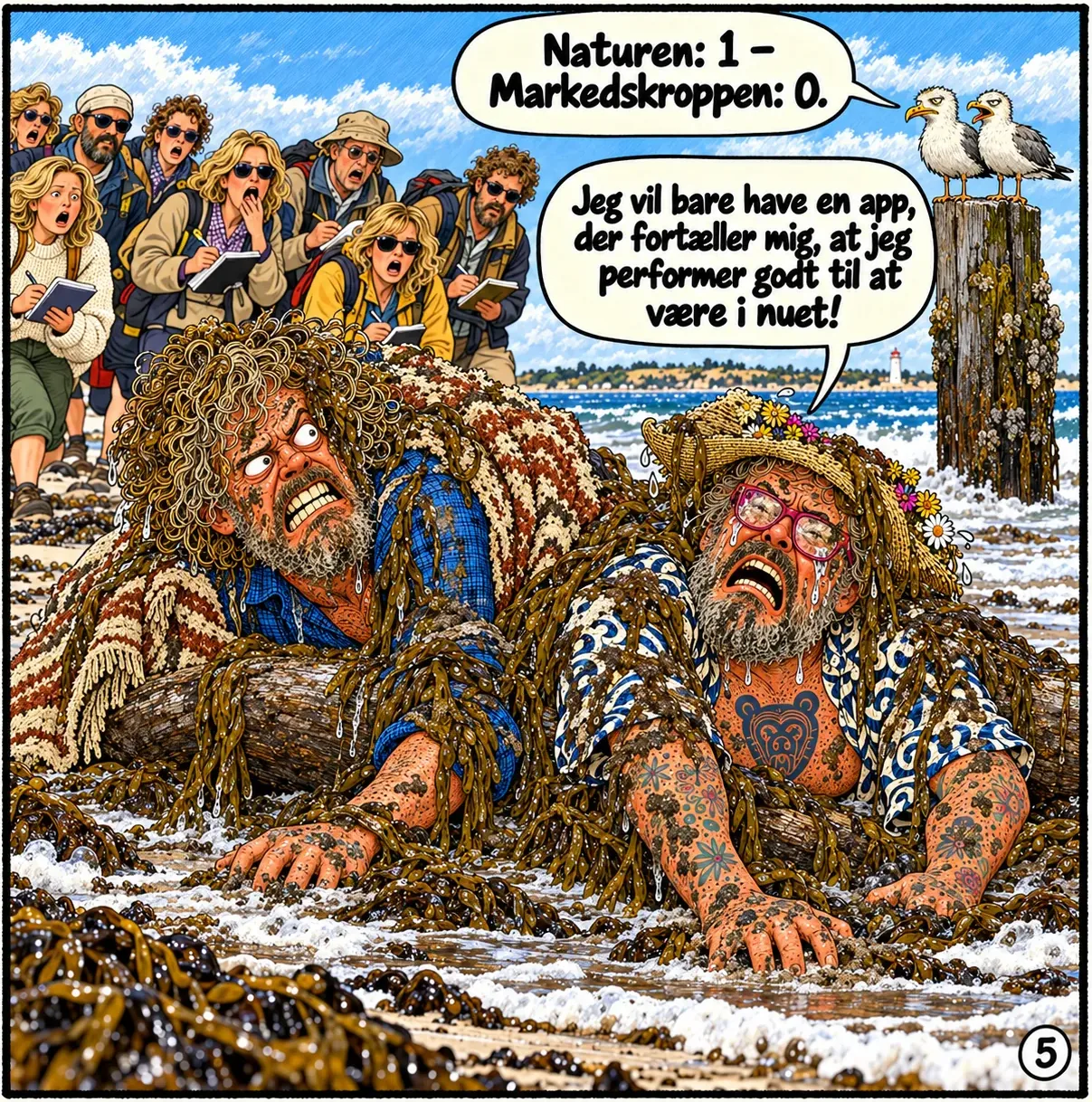
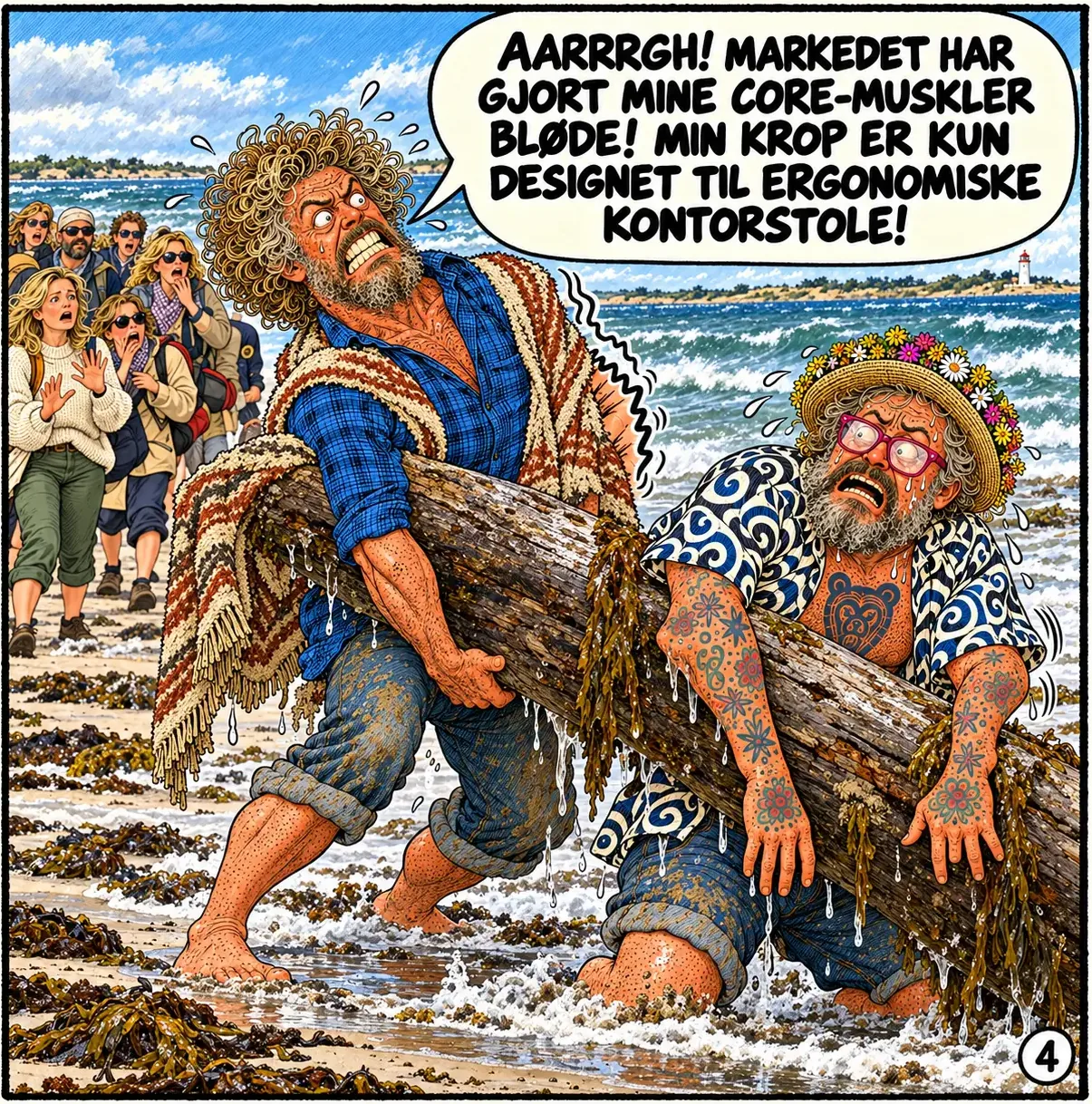
When we try to live without money, or when we are collectively forced to live without fossil energy, the withdrawal symptoms hit hard and mercilessly. Everything suddenly becomes heavier. Slower. More unpredictable. We are forced to feel the consequences of our own survival again. We suddenly have to use our own bodies, our own time and our own mental surplus to make everyday life hang together.
Without money's lubricant we are thrown out of our isolated bubbles and into a direct, raw dependence on the people we share space with. We suddenly have to negotiate. We have to ask for help when we lack something. We have to endure the refusal, the disagreement and the imperfect barter. We have to deal with the other person's vulnerability, just as we have to expose our own. We are forced to wake up from sleep.
The great withdrawal
There are no technological shortcuts or clever apps out of a century-long addiction. Letting go of both the energy and the money dependence requires a massive, collective withdrawal. We have to go through a hard period in which we relearn to value the friction that for so many generations we have tried to buy and burn our way free of.
On Agersø we are trying to take the first, radical steps in this withdrawal. We practise letting the hand and the heart do the work that the machine or the money used to do for us. We practise letting the community carry the burden we used to book as an expense on the market. They are two inseparable fronts in exactly the same fight: to return to a natural balance. A balance in which we no longer anaesthetise ourselves with the absence of resistance, but instead dare to be awake, present and connected in a world that demands our full and unfiltered participation.