The market and the unmeasurable, part 1 of 4 · 2 min
Five concepts we speak from
Five words from Mark Fisher’s Kapitalistisk realisme (Capitalist Realism, 2009), as they stand after our reading. They recur in the conversations.
Reflexive impotence. Most people today know perfectly well that the system is corrupt, that it is wrecking the climate and making us ill. But this insight does not lead to revolt; it leads to a paralysing sense of powerlessness. We know it, but we also “know” that there is nothing we can do about it. Cynicism and irony become our defence mechanisms against a system we hate but cannot escape.
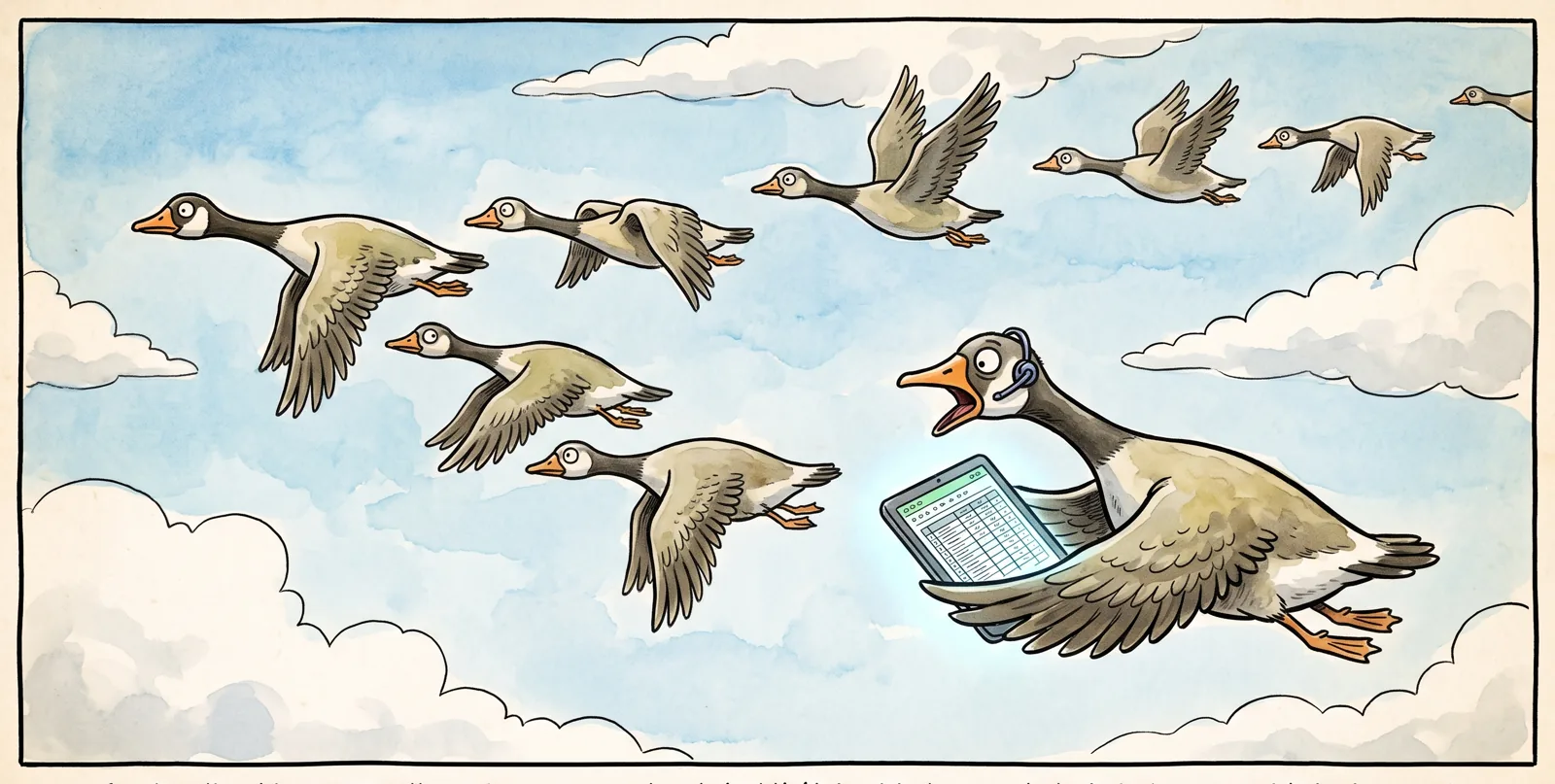
Depressive hedonia. Where traditional depression is described as an inability to feel pleasure, we would define depressive hedonia as an inability to do anything other than chase it. We anaesthetise our underlying meaninglessness and powerlessness with constant entertainment, doomscrolling, overconsumption and quick dopamine.
The privatisation of stress and mental illness. When we succumb to stress, anxiety or depression, it is consistently treated as an individual problem: a chemical imbalance, a lack of mindfulness or a lack of personal “resilience”. We will argue hard that today’s epidemic of mental illness is structurally conditioned by the extreme insecurity, the constant competition and the unreasonable demands the market places on us. Making stress a private problem is capitalism’s way of acquitting itself.
Business ontology. The basic, unchallenged idea that everything can and should be run as a business. Schools, hospitals, the state and communities are instrumentalised. Worse still, we begin to run ourselves as businesses. We see ourselves as a personal brand, a CV that must constantly be optimised and sold on a market where relationships are reduced to “networking”.

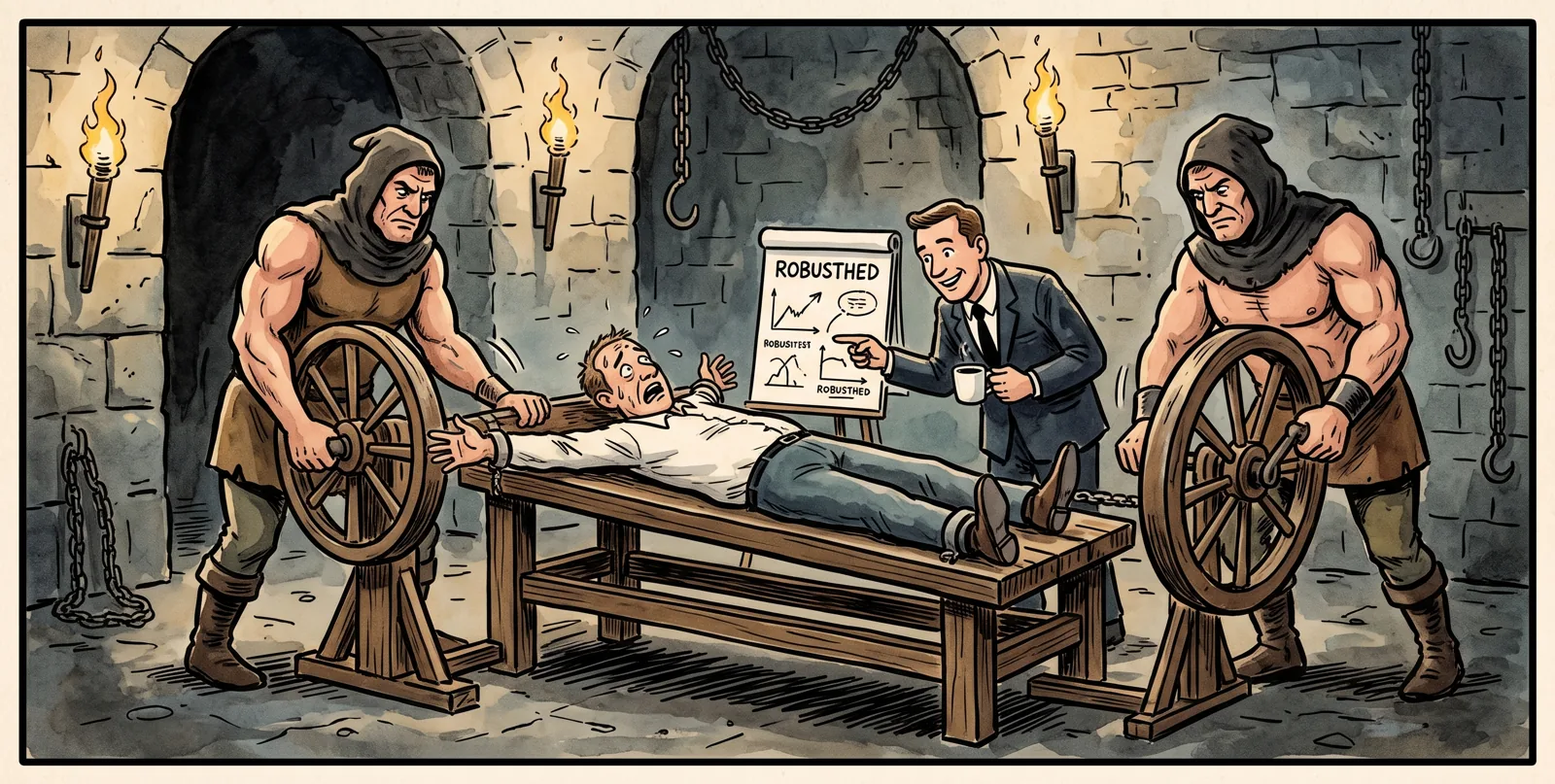
Market Stalinism. Capitalism promised to free us from heavy bureaucracy, but instead created its own absurd, Kafkaesque system of control. We want to talk more about how teachers, nurses and other professionals spend absurd amounts of time measuring, evaluating and reporting via KPIs to prove their “value” to the system. It is no longer about doing a good job, but about generating data and PR that make it look as though you are performing.
Steven Wensley